3 min read
Google or Facebook ads: which should you run first?
By Brenden Gruber, founder of Adara Marketing
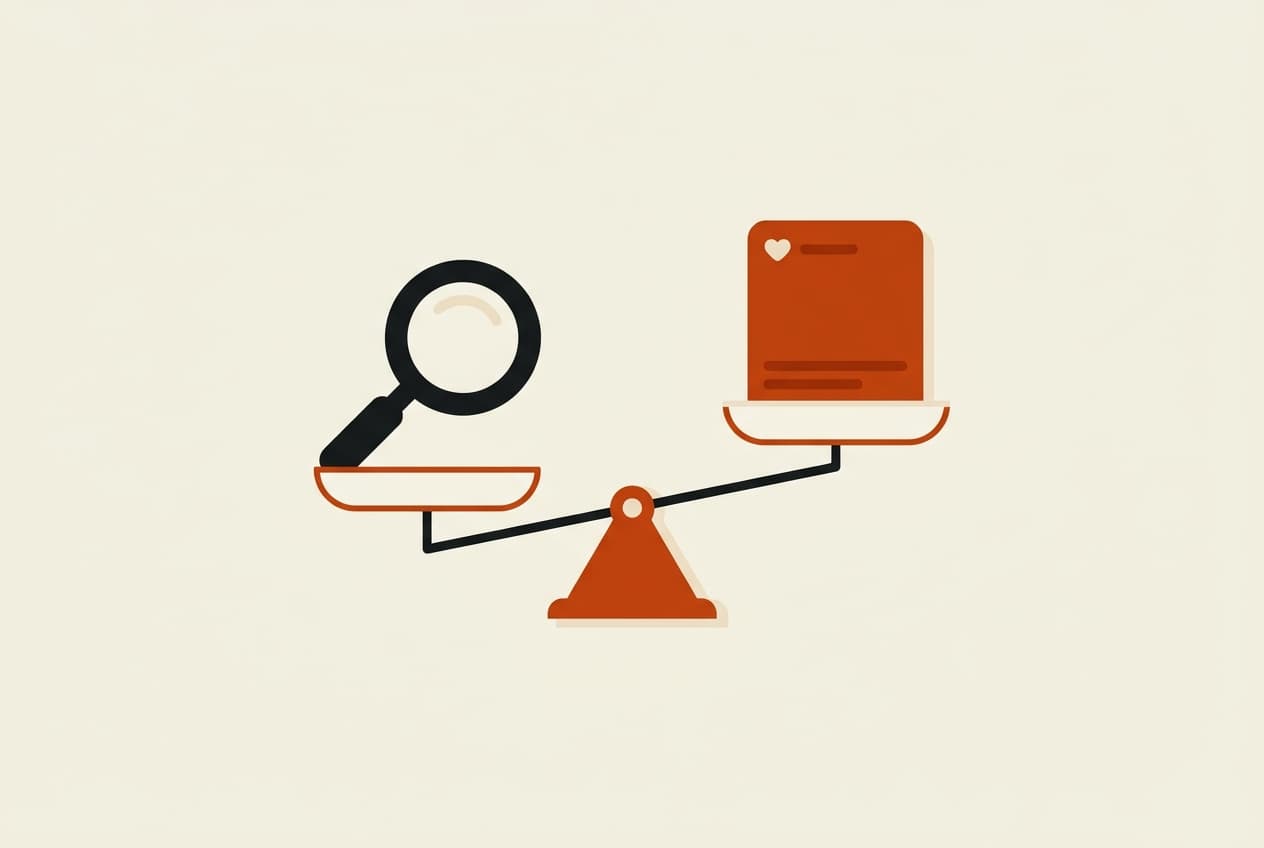
It is one of the first questions an owner asks. Both work for a local service business. They just work on different people, at different moments, and the right first move depends on what kind of work you are trying to fill the calendar with.
Google finds people who are already looking
The ads at the top of Google's local results show up when someone searches for what you do in your area. The person typing "emergency plumber near me" has a problem right now and is choosing who to call. You are not creating demand. You are catching it.
That makes Google's local ads the closest thing to a sure bet for urgent work from people who already know what they need. The leads tend to be people ready to book. The downside is that the number of leads is limited by how many people in your area are searching on a given day, and you are competing with everyone else who wants those same searches. The same is true for a clinic or a firm: the person searching "dentist open today" is ready now.
If your business lives on emergencies and same-day work, this is where to start.
Facebook and Instagram find people who have not started looking yet
Facebook and Instagram reach people while they are scrolling, not searching. Nobody opens Instagram to find a roofer. But plenty of people have a roof they have been meaning to deal with, a furnace that has been making a noise, a bathroom they have been talking about redoing. A good ad, shown to the right neighborhood, is what turns "I should deal with that" into a request sent.
This is where planned work comes from: the quote requests, the projects, the jobs with a bigger ticket and a longer timeline. The leads are less urgent, which means the follow-up matters more. Someone who clicked an ad on a Tuesday evening needs to hear back while they are still thinking about it.
If your business wants more project work and fewer emergency calls, start here.
What decides it
Two questions settle it. First, what work do you want more of? Emergencies point to Google. Projects point to Facebook and Instagram. Second, can you answer quickly? Search leads forgive a slow callback less than anything else, because the person is calling the next name on the list while they wait. If nobody can pick up the phone during the day, a Facebook lead that answers a few quick questions and gets an automatic callback may be the better first step, because the assistant does the answering for you.
Judge them by the same number
Whichever you start with, judge it on cost per lead worth answering, not on clicks or reach. A platform that sends you cheap leads you cannot use is not cheap. Track which leads became booked appointments, report that back to the platform, and let the numbers tell you when to add the second one. In time it often makes sense to run both. The order just depends on which kind of phone call you want more of tomorrow.